
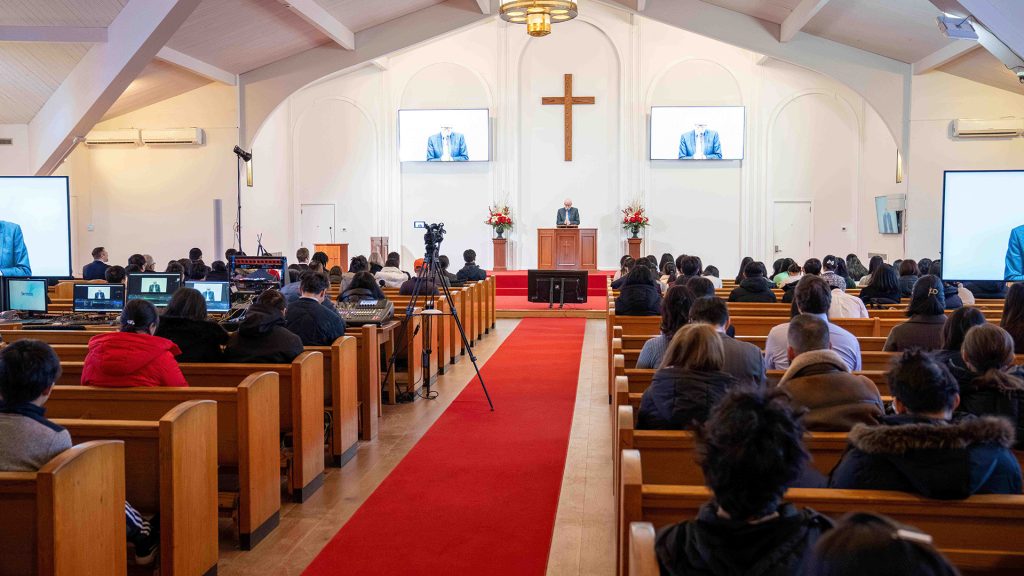
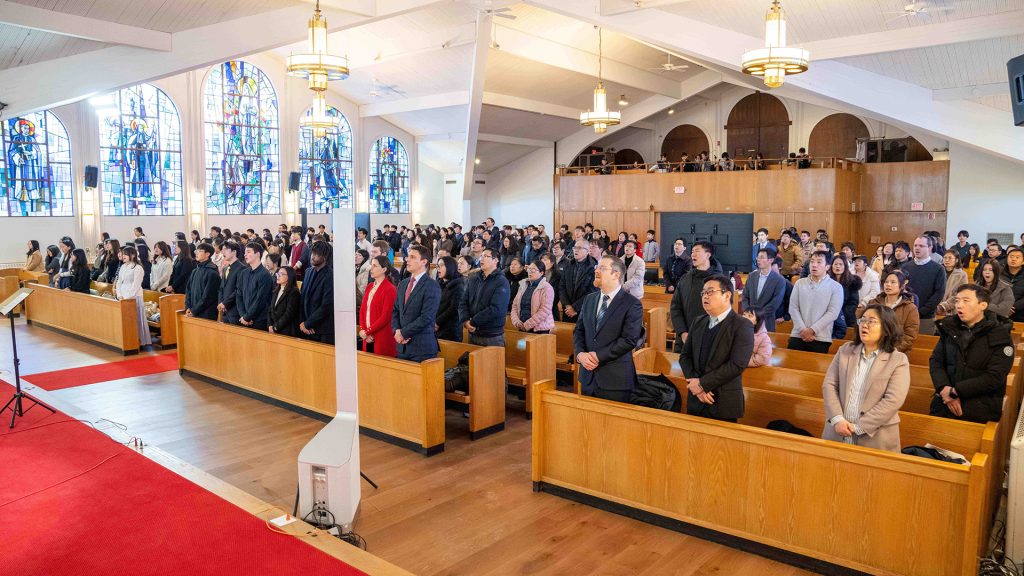
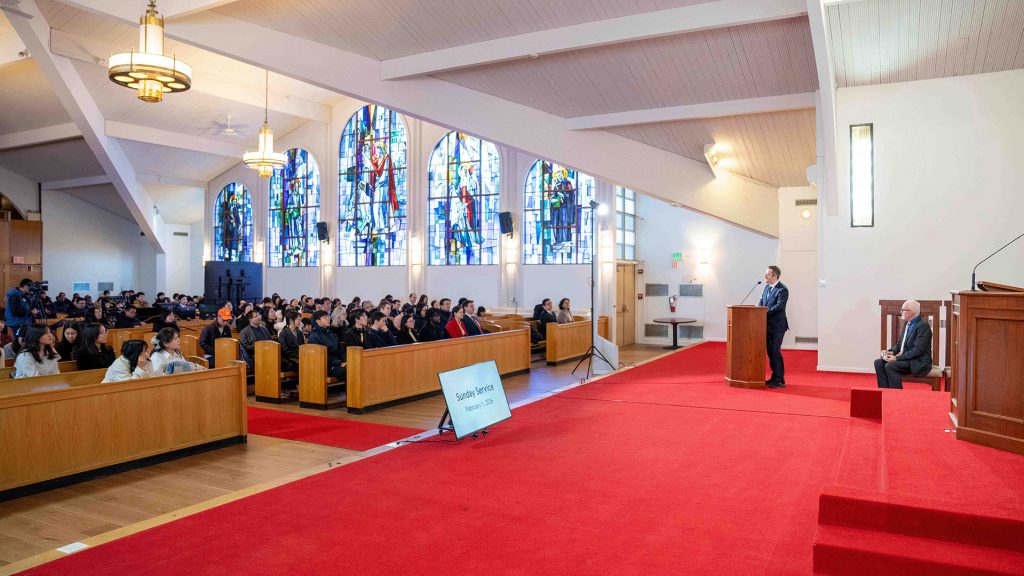
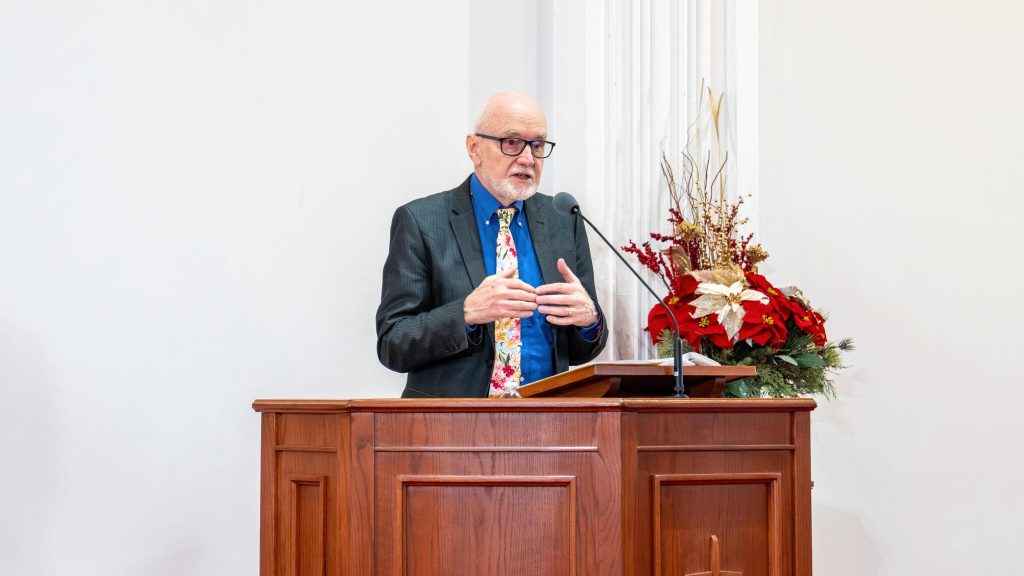
On February 1, 2026, Rev. Gordon Showell-Rogers, Director of Christian Daily International (CDI), was invited to deliver the sermon. Dover Immanuel Church held its Sunday worship service at the WEC Immanuel Chapel. Despite the cold winter morning, the congregation gathered with gratitude and reverence, rejoicing in the privilege of worshiping together before the Lord.
The sermon centered on how God touches the lives of His people by calling them into both a personal and communal relationship with Him as His children. Rev. Showell-Rogers emphasized that Christian faith is never individualistic or isolated, but is always formed within a community of faith rooted in God’s redemptive work throughout history. From the Old Testament to the New Testament, Scripture reveals one continuous story of God shaping a people who worship Him and bear witness to His grace.
Beginning with Genesis 12:1–3, Rev. Showell-Rogers highlighted God’s call to Abram. He explained that Abraham’s calling was both particular and universal. While God sovereignly chose Abraham, the purpose of that calling was to bless all the families of the earth. This foundational promise made clear that God’s plan was never confined to ethnicity or nationality, but was always intended to extend to all nations.
The sermon then turned to the Exodus narrative as a powerful testimony of both salvation and judgment. Referring to Exodus 12, Rev. Showell-Rogers explained that God redeemed His people through the blood of the lamb while executing judgment upon Egypt and its false gods. Scripture records that not only Israelites, but also people from other nations were redeemed and journeyed with them. God later commanded Israel to treat foreigners with justice and compassion, reminding them that they themselves had once been strangers. This demonstrated that God’s salvation and care extend beyond ethnic boundaries.
Another central theme of the message was God’s judgment upon nations, including His own people. Through passages such as 2 Kings 17, Rev. Showell-Rogers emphasized that Israel and Judah were judged for idolatry and disobedience just as other nations were. Privilege, he explained, does not remove accountability. God’s discipline reveals His holiness and justice, and when His people forgot His saving acts and turned to idols, they were scattered among the nations, becoming both recipients of judgment and witnesses in foreign lands.
Throughout the Old Testament, God’s work among the nations was also revealed through individuals outside Israel. The sermon highlighted figures such as Rahab, Naaman, Ruth, and Jonah, showing how God worked through unexpected people and places. These accounts testified that God’s grace was already active beyond Israel, preparing the way for the fuller revelation of salvation in Jesus Christ.
The Psalms and Solomon’s prayer further affirmed God’s global purpose. Passages such as Psalm 67 and Psalm 98 proclaim that God’s salvation and righteousness are made known among all nations so that the whole earth may praise Him. In 1 Kings 8, Solomon prayed that even foreigners who came seeking the Lord would know God’s name and glory. These Scriptures revealed that God’s presence and His temple were never meant to be exclusive, but to serve as a testimony to all peoples.
Moving into the New Testament, Rev. Showell-Rogers reminded the congregation that justification comes through faith, and that those who belong to Christ are counted as Abraham’s descendants. In Christ, ethnic, social, and cultural divisions no longer define God’s people. Instead, faith unites believers into one community, called to reflect Christ’s character and live transformed lives before the world.
The message concluded with a vision from Revelation 21, where John describes the new heaven and the new earth. Rev. Showell-Rogers shared that in the New Jerusalem, people from every nation bring their glory into God’s city, purified and redeemed. Cultures once marked by sin are cleansed and gathered together to worship God. This final vision affirmed that God’s plan from the beginning has been to form a global people who reflect His glory and proclaim His story.
The sermon concluded with a prayerful call for the church to live out this mission today—to be a community of faith that worships God, bears witness to His work, and faithfully tells His story to a world in need, trusting that God will continue to use His people to bless the nations.